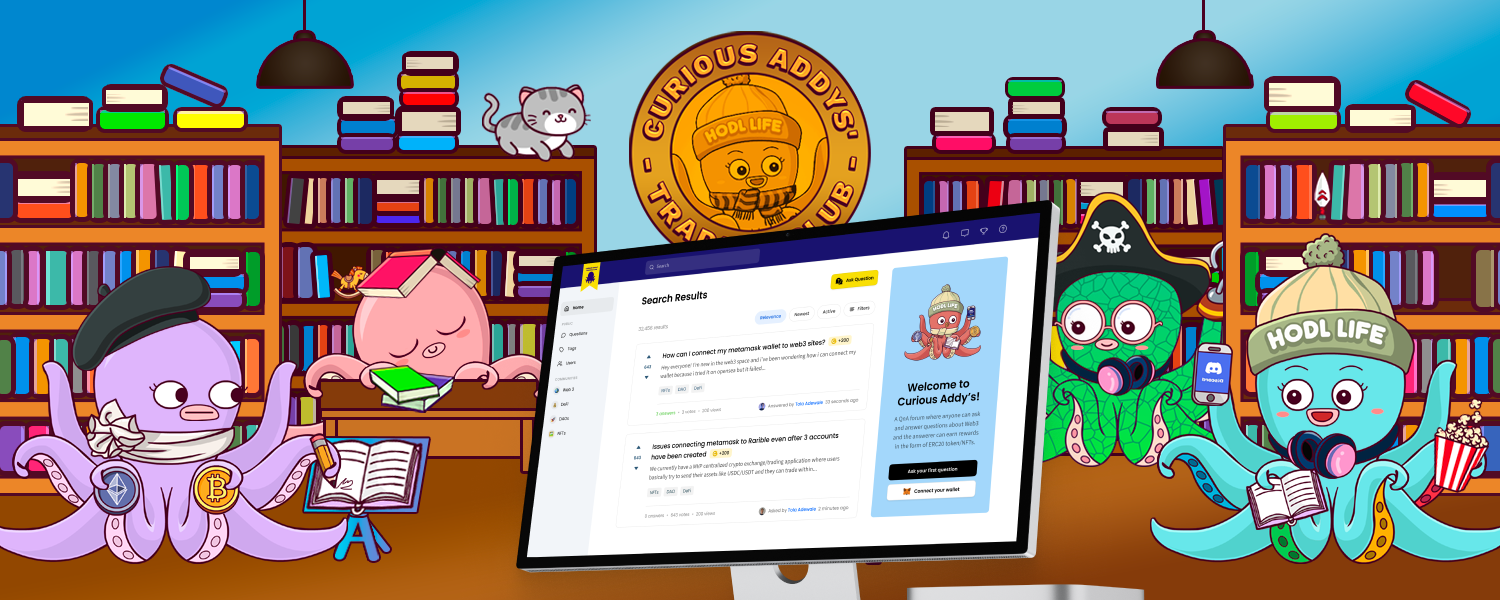
Designing a product that utilises the superpowers of StackOverflow, so that people can get help navigating the Web3 space, stimulates the mind around what the concepts could look or feel like.
What’s the experience? How can we make a better experience while keeping a familiar interface for web3 enthusiasts to easily navigate around the platform?

1. UI / UX audit of StackOverflow to possibly discover opportunities around creating a similar but improved experience
2. Brainstorming the Reward System
3. Integrating Web3 to a Q&A Forum — Sign Up with wallet e.t.c
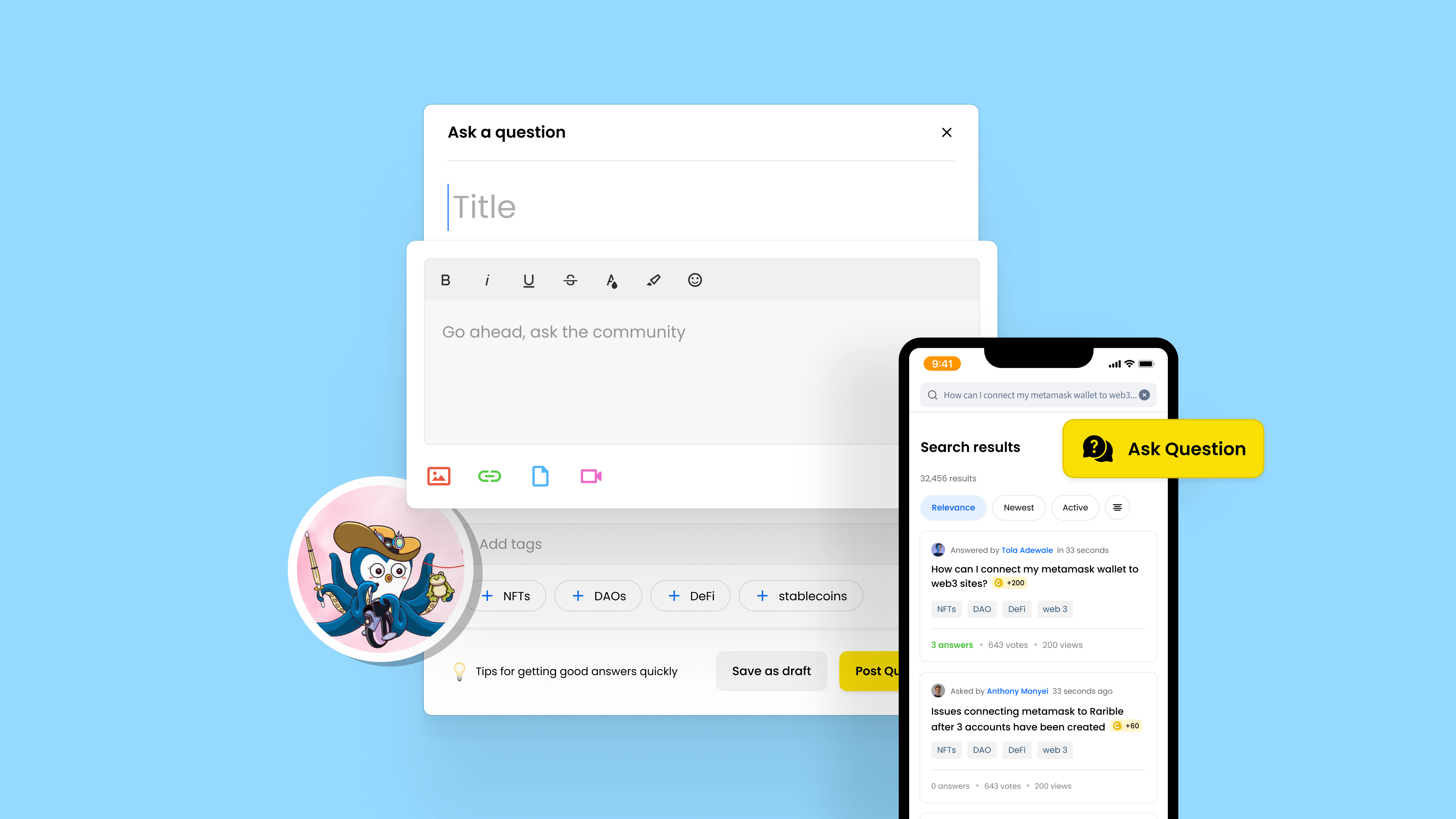
I highlighted the features within the scope of this project:
1. Ask a question (Add tags for questions (such as NFTs, DAO, DeFi etc.)
2. Write an answer to a question
3. Upvote/downvote questions/answers
4. Search Results
5. See how fast a question gets answered
A user asks a question because they need an answer, simple.
As simple as it sounds I need to make sure that I help the user get that job to be done as seamlessly as possible.
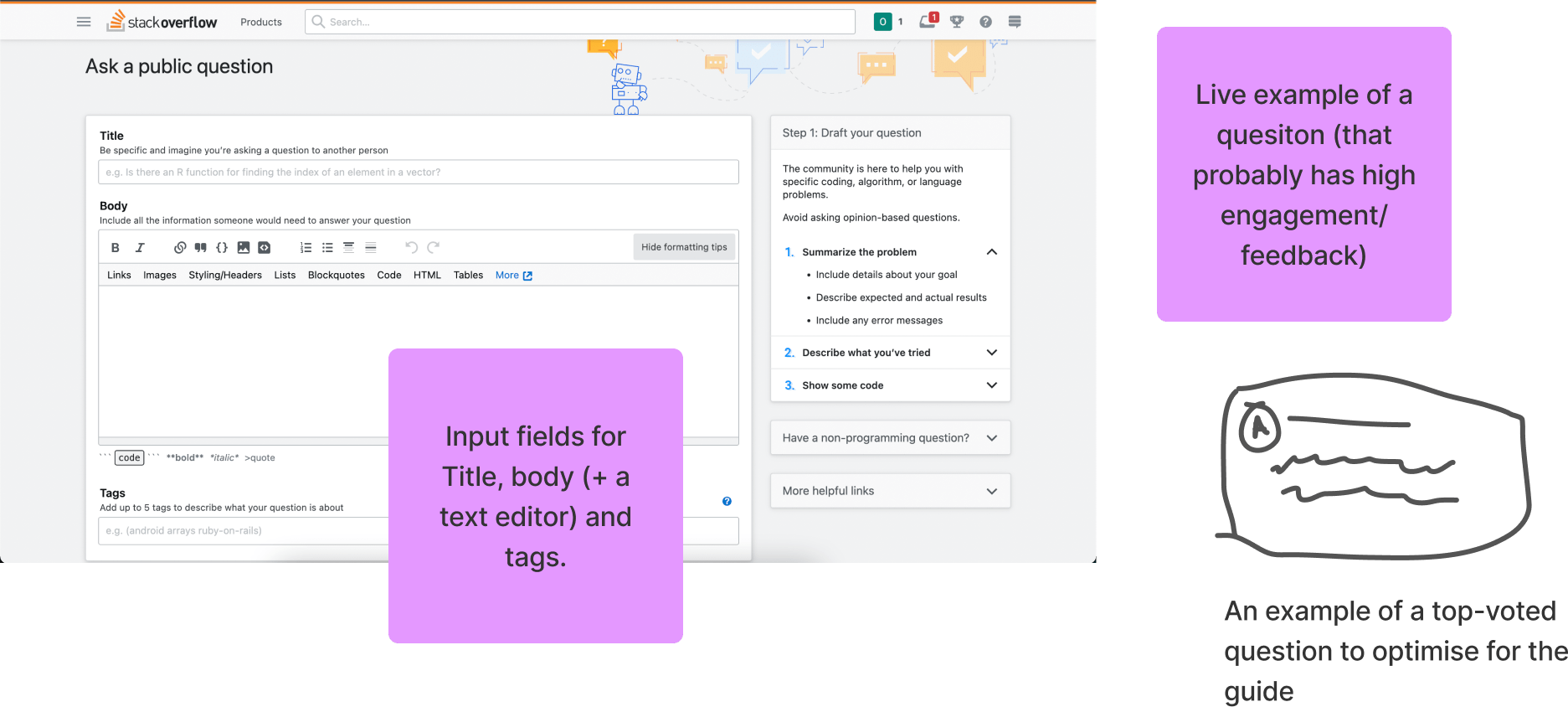
With that in mind, I turned the page into a modal to help the user focus on the task at hand.
This uses the Hicks law model to reduce the cognitive overload. Also, understanding that a user might need some guide, to have a better chance of their question to get answered; I provided a link to a page where they can find all the guidelines.
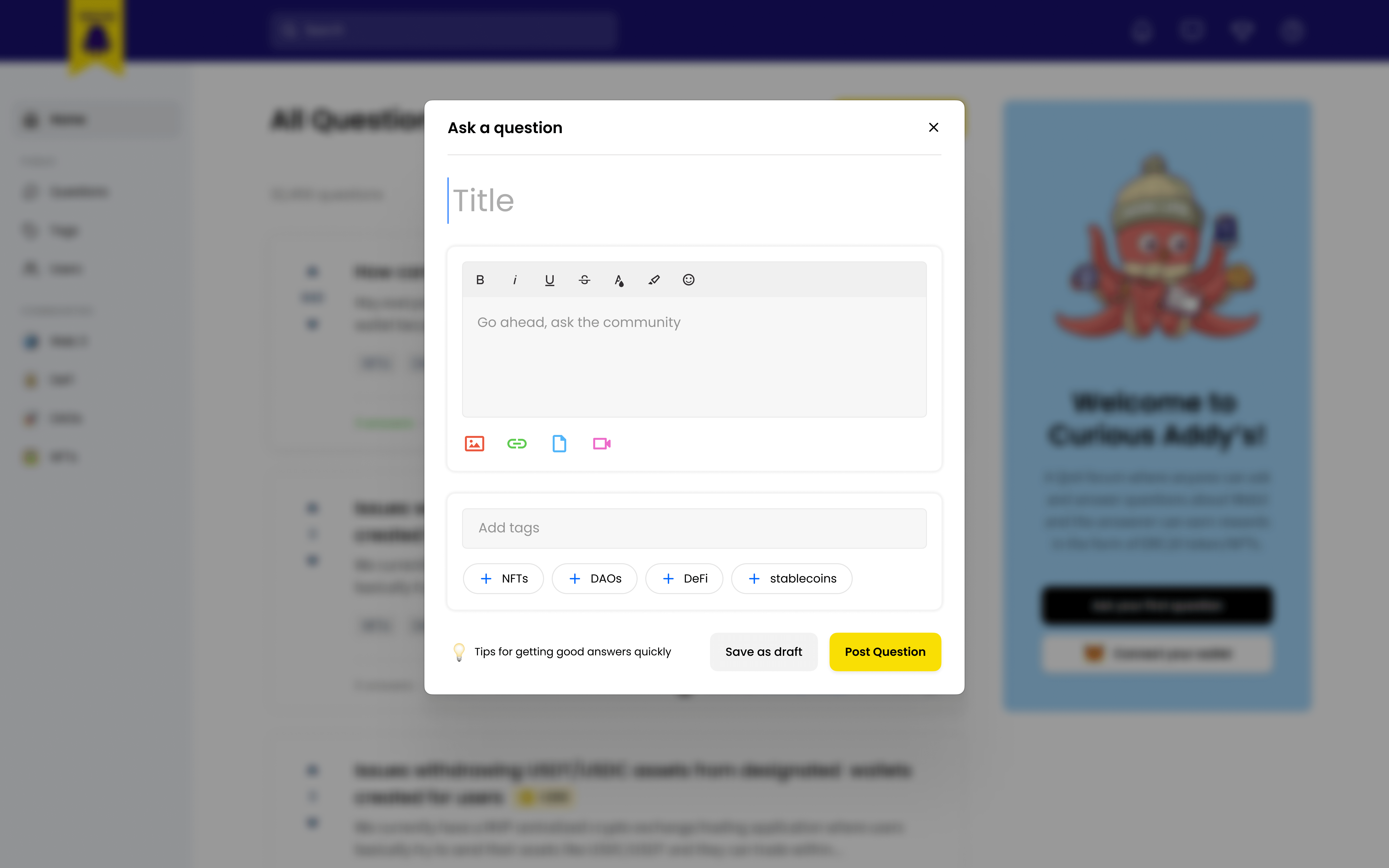
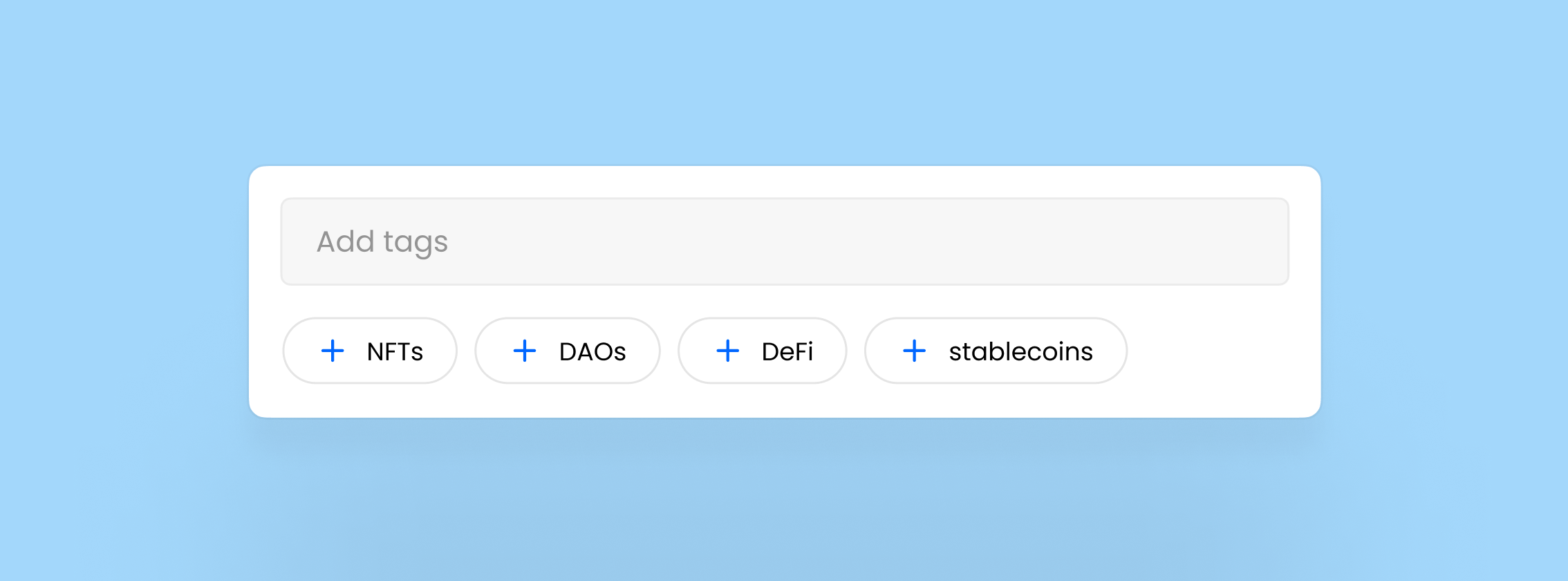
Tags are a simple and effective way to categorise different types of media and information. It makes the search results more accurate. Hence, as a part of the ask question dialog box, I designed a simple interface for adding recent/frequent tags as well as typing out new tags.
A major decision that was made here Is how we might design the experience for answering and commenting on a question. Based on the project brief, we assume that only answers can be upvoted or downvoted.
This led me to design a thread reply system where the comments are indented within the answers. If an answer has a few more comments, the comments are revealed by the view more replies button.
All comments would fall under one thread. This is to reduce the complexity of a thread web mayhem that Slack once faced.
-min.png)
-min1.png)
During the course of working on this task, I interviewed 3 of my friends who use Stack Overflow frequently to learn their experience using the platform and possible pain-points.
One thing I learned is how “they search for answers”. All of them pointed out that they search trough Google to land on the stack overflow search results page.
This makes me think about the law of reciprocity — users are more likely to reciprocate (by signing up or connecting wallet) when they’ve got value first.
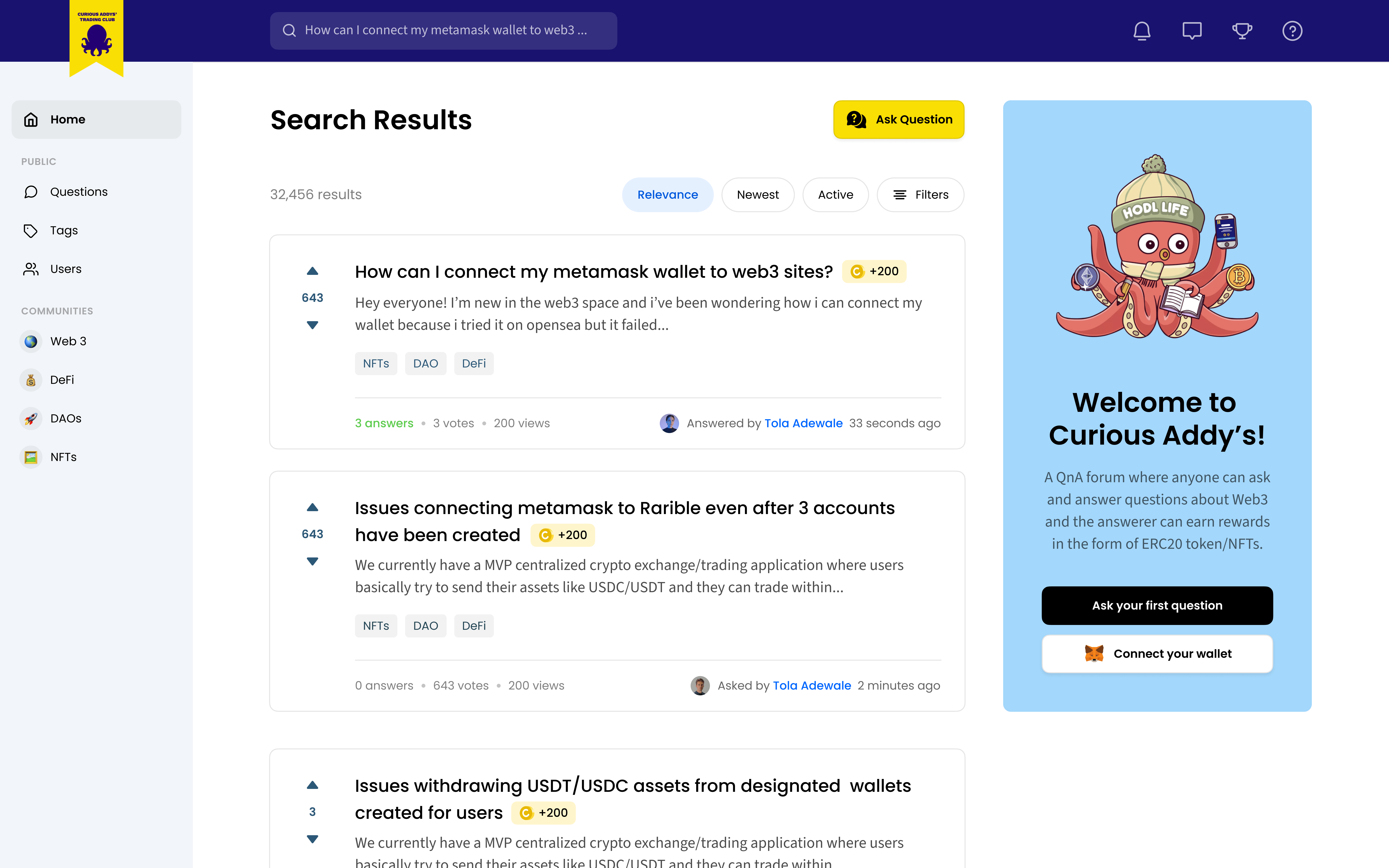
Also, It was helpful to the user to know how long a question got the first answer. This builds up an expectation in the users mind for when they are ready to ask a question.
-min1.png)
I personally enjoyed this exercise because I was also able to proffer Ideas and solutions outside the job to be done. If there was more time, I would have loved to explore and iterate on more ideas around the following:
1. Adding logos to the labels where blockchains are mentioned
2. Connecting your Metamask wallet to earn crypto tokens
3. Communities around different areas of interest in the web3 space like DAOs, DeFi, NFTs
4. Representing profiles with their wallet address domain
5. Including the top voted answers right on the card.






.svg)










%201.svg)